



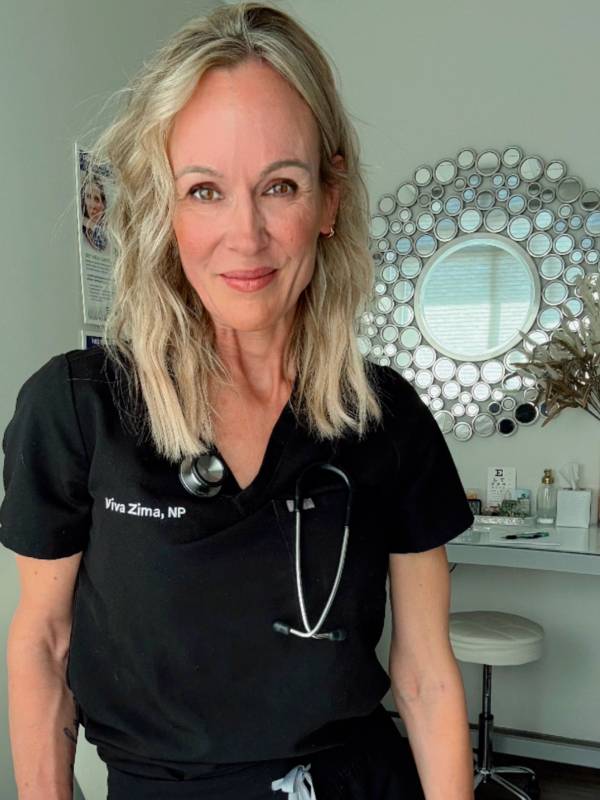
Dr. Viva Zima, DNP, APRN, FNP-C
PROFESSIONAL AFFILIATIONS







Committed to You
Patient Testimonials

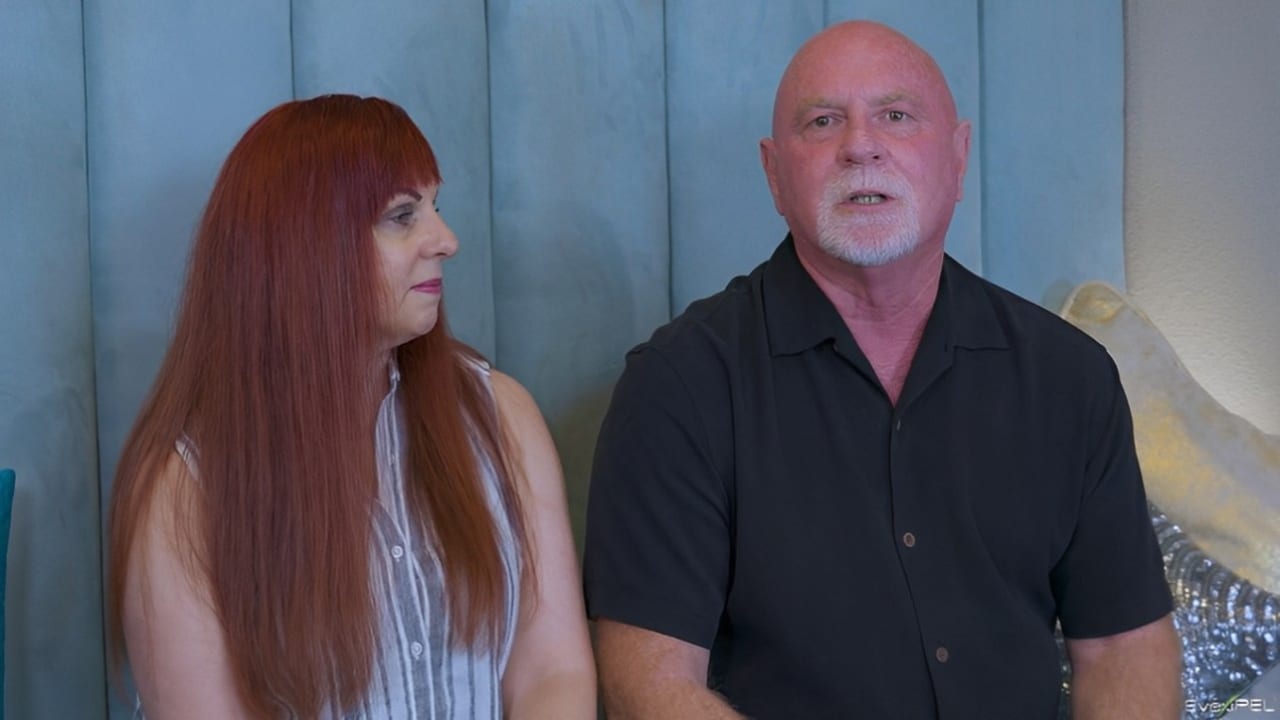

Dr. Viva Zima FNP at Sage Hormone Health is amazing! She’s so thoughtful, knowledgeable, and always available ...
Viva is wonderful!! She takes time with you and really listens. She very intelligent and knows what she's ...
Follow Us On Instagram
Your labs say “normal.” So why don’t you feel like yourself?
You’re tired. Your thinking feels foggy. Your mood feels different. And waking up refreshed? You miss that.
𝗡𝗼𝗿𝗺𝗮𝗹 𝗹𝗮𝗯𝘀 ≠ 𝗳𝗲𝗲𝗹𝗶𝗻𝗴 𝘆𝗼𝘂𝗿 𝗯𝗲𝘀𝘁.
Your symptoms deserve attention—and your lab results deserve context.
At Sage Hormone Health, I support women and men with personalized care that considers your symptoms, health history, labs, and goals together. We explore whether hormones or other factors may be contributing to how you feel and discuss a plan that fits you.
Because feeling heard, understanding your body, and having energy for the life you love matter. 🌿
𝗥𝗲𝗮𝗱𝘆 𝘁𝗼 𝘁𝗮𝗸𝗲 𝘁𝗵𝗲 𝗻𝗲𝘅𝘁 𝘀𝘁𝗲𝗽? Book your consultation through the link in my bio or call 623-688-2105.
Follow @sagehormonehealth for women’s and men’s hormone health education, and share this with someone who deserves to feel heard.
Dr. Viva Zima, DNP, MSN, APRN, FNP-C
Nurse Practitioner | Educator | Advocate for Women’s & Men’s Health
Hormone Optimization for a Thriving Life™
ᴘʜᴏɴᴇ: 623-688-2105
http://www.SageHormoneHealth.com
#SageHormoneHealth #HormoneHealth #WomensHealth #MensHealth #AnthemAZ

YES, WOMEN NEED TESTOSTERONE TOO.
Testosterone isn’t just a “male hormone.” It plays important roles in women’s health too. Save this one.
#Testosterone #WomensHealth #HormoneHealth #Menopause #TheHormoneMethod
When my patient finally says, “Okay… I’m ready to try HRT.” 😂 Then she starts feeling like herself again…
I will never stop getting excited about women feeling good again. 💞
Hormone Optimization for a Thriving Life™
Dr. Viva Zima, DNP, MSN, APRN, FNP-C
Nurse Practitioner | Educator | Advocate for Women’s & Men’s Health
Sage Hormone Health
What is the cost of HRT….. 👀
#WomensHealth #MensHealth #Menopause #Andropause #Thyropause Arizona
You weren’t asking to be 25 again. 🔥
You just wanted to feel like YOU again.
More energy.
Better sleep.
Stronger body.
Better mood.
Libido making a comeback. 👀
And that feeling of, “Ohhhh… there I am.”
That’s what hormone optimization can look like for the right woman.
Because sometimes what gets dismissed as “just getting older” deserves a closer look.
Hormone Optimization for a Thriving Life™ ✨
Dr. Viva Zima, DNP, MSN, APRN, FNP-C
Nurse Practitioner | Educator | Advocate for Women’s & Men’s Health
Sage Hormone Health
Follow for more real talk about perimenopause, menopause & hormone optimization.


